

Fellowship in Gastroenterology: Eligibility, Syllabus, Duration and Benefits
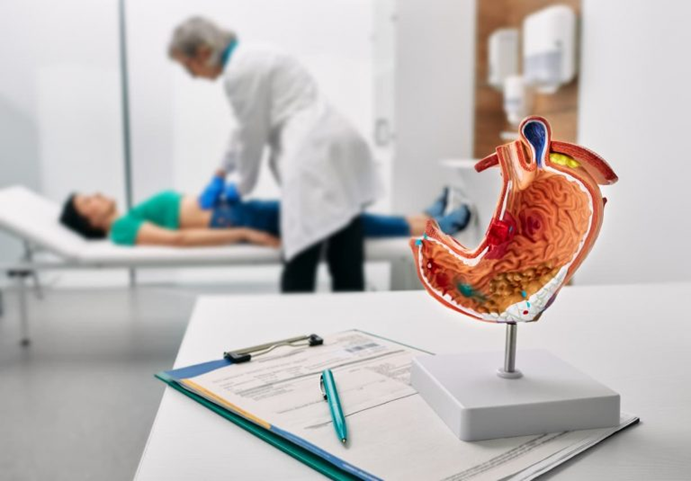
The diagnosis, treatment, and prevention of illnesses affecting the digestive system—which includes the esophagus, stomach, intestines, liver, pancreas, gallbladder, and biliary tract—are the main goals of the specialized field of gastroenterology. The need for qualified healthcare workers in this area is growing due to the rising incidence of gastrointestinal disorders, liver diseases, inflammatory bowel disease, and digestive issues brought on by lifestyle choices.
A Fellowship in Gastroenterology is an opportunity for MBBS-qualified doctors to deepen their clinical knowledge, strengthen their diagnostic abilities, and develop a better understanding of gastrointestinal conditions encountered in everyday medical practice.
Depending on the institution, a fellowship can offer a planned path to professional growth through academic learning, clinical case discussions, and pertinent practical exposure for physicians seeking to advance their clinical skills and pursue targeted study in gastroenterology.
What Is a Fellowship in Gastroenterology?
A Fellowship in Gastroenterology is a specialised medical education programme designed to help doctors develop a deeper understanding of digestive system disorders and their management. It typically covers common and complex gastrointestinal conditions, diagnostic approaches, evidence-based treatment strategies, and the principles of patient-centred care.
Online learning modules, expert-led lectures, clinical case discussions, examinations, and clinical observership opportunities may all be included in the program, depending on the curriculum.
For MBBS physicians, general practitioners, and other medical professionals who want to learn more about gastrointestinal disorders and enhance their capacity to identify, evaluate, and treat patients within their scope of practice, the fellowship is especially pertinent.
Why Choose a Fellowship in Gastroenterology?
Gastrointestinal disorders are frequently encountered in primary care, emergency medicine, internal medicine, and hospital settings. Developing a sound understanding of these conditions can help doctors make informed clinical decisions and identify patients who require specialist referral.
Here are some important reasons to consider this fellowship:
1. Develop Specialised Clinical Knowledge
Gain a structured understanding of digestive system anatomy, physiology, common gastrointestinal diseases, liver disorders, and pancreatic conditions.
2. Improve Diagnostic Reasoning
Learn about clinical assessment, differential diagnosis, interpretation of relevant investigations, and evidence-based approaches to evaluating gastrointestinal symptoms.
3. Understand Current Treatment Approaches
Explore contemporary principles of medical management for conditions such as gastroesophageal reflux disease, peptic ulcer disease, irritable bowel syndrome, inflammatory bowel disease, and chronic liver disease.
4. Learn Through Clinical Cases
Case-based learning can help doctors connect theoretical concepts with clinical presentations and understand the decision-making process involved in patient management.
5. Explore Clinical Observership Opportunities
A clinical observership might offer the chance to watch clinical procedures, patient evaluations, specialist consultations, and interdisciplinary treatment in a hospital setting, if it is part of the curriculum. Clinical practice or procedures are not independently authorized by observerships, which are observational in nature.
6. Support Continuing Professional Development
A fellowship can help doctors strengthen their professional profile, broaden their medical knowledge, and pursue continuing learning in a focused clinical area.
Who Should Enrol in a Fellowship in Gastroenterology?
The programme may be suitable for:
- MBBS-qualified doctors seeking to enhance their understanding of gastrointestinal diseases.
- General practitioners who regularly encounter patients with digestive complaints.
- Medical officers working in clinics, hospitals, and healthcare facilities.
- Doctors interested in internal medicine who wish to strengthen their knowledge of gastroenterology.
- Medical professionals seeking structured clinical upskilling alongside their existing professional responsibilities.
Eligibility, admission requirements, and the scope of learning depend on the individual fellowship programme.
Key Topics Covered in a Fellowship in Gastroenterology
A comprehensive curriculum may include the following subjects:
1. Fundamentals of Gastroenterology
- Anatomy and physiology of the gastrointestinal tract
- Digestive processes and gastrointestinal motility
- Clinical approach to abdominal pain
- Evaluation of nausea, vomiting, diarrhoea, and constipation
- Clinical assessment of gastrointestinal symptoms
2. Oesophageal and Gastric Disorders
- Gastroesophageal reflux disease (GERD)
- Gastritis and peptic ulcer disease
- Helicobacter pylori infection
- Dysphagia and oesophageal motility disorders
- Upper gastrointestinal bleeding
- Functional dyspepsia
3. Intestinal Disorders
- Irritable bowel syndrome (IBS)
- Inflammatory bowel disease (IBD)
- Crohn’s disease and ulcerative colitis
- Acute and chronic diarrhoeal disorders
- Malabsorption syndromes
- Coeliac disease
- Gastrointestinal infections
4. Hepatology and Liver Diseases
- Approach to abnormal liver function tests
- Viral hepatitis
- Metabolic dysfunction-associated steatotic liver disease (MASLD)
- Alcohol-associated liver disease
- Cirrhosis and its complications
- Portal hypertension
- Ascites and hepatic encephalopathy
5. Pancreatic and Biliary Disorders
- Acute and chronic pancreatitis
- Gallstones and biliary colic
- Cholecystitis and cholangitis
- Obstructive jaundice
- Pancreatic disorders and their clinical evaluation
6. Gastrointestinal Emergencies
- Upper and lower gastrointestinal bleeding
- Acute abdominal pain and its differential diagnosis
- Severe dehydration associated with gastrointestinal illness
- Acute pancreatitis and associated complications
- Recognition of gastrointestinal emergencies and timely referral
7. Gastrointestinal Investigations
- Complete blood count and relevant biochemical investigations
- Liver function tests
- Stool examination and other relevant investigations
- Abdominal ultrasonography and cross-sectional imaging
- Principles of upper gastrointestinal endoscopy
- Principles of colonoscopy
- Interpretation of common diagnostic findings
8. Gastrointestinal Oncology
- Warning signs associated with gastrointestinal malignancies
- Oesophageal and gastric cancers
- Colorectal cancer
- Liver and pancreatic malignancies
- Screening principles and early detection
- Referral pathways and multidisciplinary care
The exact subjects, procedural coverage, and practical components should be confirmed against the programme’s official curriculum.
Clinical Exposure and Case-Based Learning
Clinical exposure can play an important role in helping doctors understand how gastroenterological conditions are evaluated and managed in practice.
Depending on the fellowship structure, learning activities may include:
- Discussions of real-world clinical scenarios.
- Review of common gastrointestinal presentations.
- Case-based learning involving diagnostic and treatment decisions.
- Observational exposure to specialist consultations and hospital workflows.
- Familiarisation with diagnostic procedures and their clinical indications.
- Discussions on complications, follow-up, and referral decisions.
Clinical observerships, where available, are designed to support learning through observation. Any hands-on activity or procedural participation must be separately authorised, appropriately supervised, and permitted by the host institution and applicable regulations.
Career Opportunities After a Gastroenterology Fellowship
A Fellowship in Gastroenterology can support professional development for doctors who want to strengthen their knowledge of digestive health and related medical conditions.
Potential applications include:
- Enhancing the management of common gastrointestinal complaints within general medical practice.
- Strengthening clinical knowledge for roles in internal medicine and hospital-based healthcare.
- Improving recognition of conditions requiring specialist evaluation.
- Developing a stronger foundation for further formal education in gastroenterology.
- Supporting continuing professional development and focused medical learning.
How to Choose the Right Fellowship in Gastroenterology
Before enrolling, doctors should evaluate the programme carefully.
Curriculum: Review the depth and relevance of the academic content, including gastrointestinal disorders, hepatology, investigations, and clinical decision-making.
Faculty: Check the qualifications and relevant clinical experience of the teaching faculty.
Learning format: Understand whether the programme offers online classes, recorded lectures, live sessions, assessments, or case discussions.
Clinical observership: Confirm whether an observership is included, its duration, the host institution, attendance requirements, and the activities permitted during the placement.
Assessment and certification: Review the assessment process, eligibility requirements, and the organisation issuing the certificate.
Recognition and professional scope: Verify any claims regarding accreditation, CPD recognition, or professional acceptance directly with the relevant bodies. Ensure the programme aligns with your career goals and does not misrepresent the qualification it awards.
Frequently Asked Questions (FAQs)
1. What is a Fellowship in Gastroenterology?
A Fellowship in Gastroenterology is a focused medical education programme that helps doctors develop knowledge of gastrointestinal diseases, liver and pancreatic disorders, diagnostic investigations, and evidence-based management principles.
2. Who is eligible for a Fellowship in Gastroenterology?
Eligibility depends on the specific programme. Many medical fellowship programmes are designed for MBBS-qualified doctors and other eligible medical professionals. Applicants should confirm the current eligibility criteria before applying.
3. What is the duration of a Fellowship in Gastroenterology?
The duration varies by institution and programme structure. It may range from a few months to a year or longer. Prospective applicants should check the official programme details for the exact duration.
4. What subjects are covered in a Fellowship in Gastroenterology?
Common subjects include GERD, peptic ulcer disease, IBS, IBD, viral hepatitis, cirrhosis, pancreatitis, gallbladder disorders, gastrointestinal bleeding, diagnostic investigations, and gastrointestinal oncology.
5. Does a Fellowship in Gastroenterology include clinical observership?
Some programmes offer clinical observership opportunities, while others focus primarily on academic learning. Applicants should confirm whether an observership is included, its duration, location, and permitted activities.
6. Can I perform endoscopy after completing a Fellowship in Gastroenterology?
Completing a fellowship does not automatically qualify a doctor to independently perform endoscopy or other invasive procedures. Such procedures require appropriate training, demonstrated competence, supervision where applicable, and compliance with relevant professional and institutional regulations.
7. Can an MBBS doctor become a gastroenterologist after completing this fellowship?
A fellowship may improve clinical knowledge in gastroenterology, but it does not automatically confer recognised specialist status. Doctors seeking to practise as specialists must fulfil the applicable recognised postgraduate training and registration requirements.
8. What are the benefits of studying gastroenterology?
Focused learning can help doctors better understand digestive disorders, improve clinical reasoning, recognise warning signs, interpret relevant investigations, and identify when specialist referral is necessary.
9. Is a Fellowship in Gastroenterology useful for general practitioners?
Yes. It can provide structured learning about common digestive complaints and gastrointestinal diseases frequently encountered in general practice. The value of the programme depends on the quality of its curriculum and its relevance to the doctor’s clinical responsibilities.
10. How can I enrol in a Fellowship in Gastroenterology?
Review the programme’s official eligibility criteria, curriculum, duration, fees, observership details, and certification terms. Contact the institution offering the fellowship for current admission information.
Conclusion
Gastroenterology is an evolving field that requires a sound understanding of digestive system disorders, diagnostic approaches, and evidence-based patient care. A Fellowship in Gastroenterology can provide MBBS-qualified doctors and other eligible medical professionals with an opportunity to deepen their clinical knowledge, explore relevant case studies, and pursue structured professional development.