

Fellowship in Cosmetology and Aesthetic Medicine: Eligibility, Curriculum, Benefits and Career Opportunities
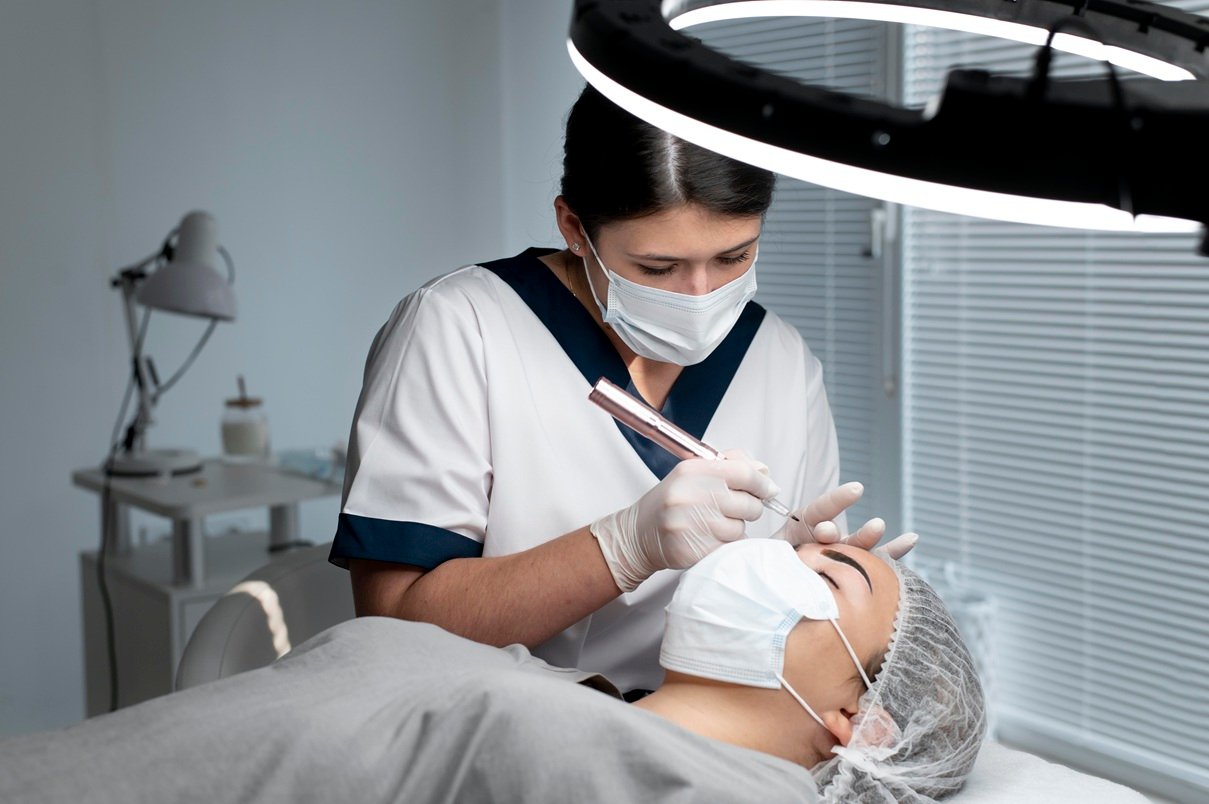
The field of cosmetology and aesthetic medicine is growing rapidly, driven by increasing awareness of skincare, non-surgical aesthetic procedures, anti-ageing treatments, and personalized cosmetic care. Medical practitioners with expertise in esthetic medicine are in high demand as patients look for safe, evidence-based ways to enhance the health and appearance of their skin.
The Fellowship in Cosmetology and Aesthetic Medicine is intended for MBBS-qualified physicians who want to advance their clinical expertise in esthetic procedures, skin rejuvenation, cosmetic dermatology, and non-surgical cosmetic therapies. The fellowship provides a chance to improve academic knowledge and obtain pertinent clinical experience in esthetic medicine under suitable supervision.
For doctors looking to broaden their clinical expertise and explore opportunities in the aesthetics sector, this fellowship can be a valuable step towards professional development.
What Is a Fellowship in Cosmetology and Aesthetic Medicine?
A Fellowship in Cosmetology and Aesthetic Medicine is a specialized educational program focused on the medical principles and clinical applications of cosmetic and aesthetic treatments. It introduces doctors to skin anatomy, common aesthetic concerns, patient assessment, treatment planning, procedural techniques, and the management of potential complications.
The program’s goal is to close the knowledge gap between basic medical education and the specialist skills needed for esthetic practice. Participants may learn about procedures like chemical peels, microneedling, laser-based treatments, botulinum toxin, dermal fillers, and other non-surgical esthetic therapies, depending on the curriculum and clinical experience provided.
The scope of practical training and eligibility to perform individual procedures depend on the program structure, the doctor’s qualifications, applicable regulations, and the level of supervised clinical competency achieved.
Why Choose a Fellowship in Cosmetology and Aesthetic Medicine?
Medical knowledge, clinical judgment, procedural skills, and patient-centered treatment are all combined in esthetic medicine. Doctors can gain a more methodical understanding of this developing specialty through an organized fellowship.
1. Develop Specialized Clinical Knowledge
Gain a deeper understanding of skin health, facial anatomy, common cosmetic concerns, ageing-related changes, and the scientific principles behind aesthetic treatments.
2. Understand Non-Surgical Aesthetic Procedures
Explore the indications, contraindications, expected outcomes, limitations, and safety considerations associated with commonly used aesthetic procedures.
3. Learn Patient Assessment and Treatment Planning
Understand how to evaluate patient concerns, review medical history, identify suitable candidates, establish realistic expectations, and develop individualized treatment plans.
4. Gain Clinical Exposure
Where included in the program, supervised clinical observership can help participants understand patient consultations, clinical workflows, treatment protocols, infection prevention, and professional standards in aesthetic practice.
5. Expand Professional Opportunities
Specialized education may help eligible doctors explore opportunities in aesthetic clinics, dermatology-related clinical settings, wellness centres, and medical cosmetology practices, subject to applicable professional regulations.
Curriculum: What Will You Learn?
The curriculum of a Fellowship in Cosmetology and Aesthetic Medicine may cover the following key areas, depending on the institution’s course structure.
Module 1: Fundamentals of Skin Anatomy and Physiology
- Structure and functions of the skin
- Epidermis, dermis, and subcutaneous tissue
- Skin types and common skin concerns
- Skin ageing and photoageing
- Wound healing and skin repair
- Fundamentals of skin assessment
Module 2: Common Dermatological and Cosmetic Conditions
- Acne and acne scarring
- Hyperpigmentation and melasma
- Uneven skin tone and texture
- Fine lines and wrinkles
- Photoageing and sun damage
- Hair and scalp concerns
- Basic assessment of benign skin lesions and recognition of conditions requiring specialist referral
Module 3: Chemical Peels and Skin Rejuvenation
- Principles of chemical exfoliation
- Types of chemical peels and their clinical applications
- Patient selection and contraindications
- Pre-procedure and post-procedure care
- Potential adverse effects and complication prevention
Module 4: Laser and Energy-Based Treatments
- Introduction to laser physics and tissue interaction
- Overview of laser and light-based technologies
- Applications in pigmentation, hair reduction, and skin rejuvenation
- Patient assessment and safety precautions
- Device-related risks and complication management
Module 5: Injectables and Facial Aesthetics
- Facial anatomy and assessment
- Introduction to botulinum toxin treatments
- Principles of dermal fillers
- Indications, contraindications, and patient selection
- Aseptic technique and procedural safety
- Recognition and initial management of complications
Practical performance of injectable procedures must be limited to appropriately qualified professionals working within applicable legal and professional requirements.
Module 6: Microneedling and Other Aesthetic Procedures
- Principles and applications of microneedling
- Skin texture and scar management
- Combination treatment approaches
- Patient preparation and aftercare
- Infection prevention and risk assessment
Module 7: Hair and Scalp Aesthetics
- Hair and scalp assessment
- Common causes of hair loss
- Medical evaluation and referral considerations
- Overview of selected hair restoration approaches
- Patient counselling and treatment expectations
Module 8: Clinical Practice, Ethics and Patient Safety
- Patient consultation and informed consent
- Documentation and clinical photography
- Infection control and hygiene
- Management of adverse events
- Ethical marketing and responsible patient communication
- Follow-up care and outcome assessment
Eligibility for Fellowship in Cosmetology and Aesthetic Medicine
The fellowship is intended for medical professionals seeking further education in cosmetology and aesthetic medicine.
Typical eligibility criteria may include:
- An MBBS degree from a recognized medical institution.
- Valid medical registration, where required.
- An interest in dermatology, cosmetology, aesthetic medicine, or related clinical fields.
Additional eligibility requirements may vary according to the course provider. Applicants should verify the admission criteria, course accreditation, certification details, and scope of clinical training before enrolling.
Duration and Learning Format
The duration and learning format depend on the specific fellowship offered by the institution.
A structured program may combine online academic learning, expert-led sessions, case-based discussions, assessments, and clinical observership where applicable. This format can help doctors balance continued education with their existing clinical responsibilities.
Before enrolling, prospective participants should confirm the course duration, assessment method, clinical exposure schedule, attendance requirements, and whether practical sessions are included.
Benefits of Enrolling in a Cosmetology and Aesthetic Medicine Fellowship
Improved Clinical Understanding
Develop a structured understanding of aesthetic concerns, available treatment options, patient suitability, and safety considerations.
Evidence-Based Decision-Making
Learn to evaluate treatment indications, review scientific evidence, recognize limitations, and make informed clinical decisions.
Better Patient Communication
Understand how to discuss expected results, potential risks, contraindications, treatment alternatives, and aftercare with patients.
Exposure to Evolving Aesthetic Technologies
Become familiar with developments in cosmetic dermatology, skin rejuvenation, energy-based devices, and non-surgical aesthetic treatments.
Professional Development
Build a foundation for continued learning in a rapidly evolving field and identify areas for further supervised training or specialization.
Career Opportunities After the Fellowship
After completing a fellowship, eligible medical professionals may explore relevant opportunities based on their existing qualifications, experience, and procedural competencies.
Potential pathways include:
- Aesthetic medicine clinics: Work in appropriate clinical roles involving patient assessment and aesthetic care.
- Medical cosmetology centres: Contribute to skin-health consultations and suitable cosmetic treatment services.
- Dermatology-related clinical settings: Work collaboratively with qualified dermatologists and other specialists.
- Wellness and skin rejuvenation practices: Support medically appropriate aesthetic care and patient education.
- Independent clinical practice: Consider offering permitted services only when adequately trained, professionally competent, and legally authorized.
- Further professional education: Pursue additional supervised procedural training or advanced learning in selected areas of aesthetic medicine.
A fellowship certificate alone does not automatically confer specialist status, independent procedural privileges, or authorization to practise beyond the scope of a doctor’s recognized qualifications.
Who Should Consider This Fellowship?
The Fellowship in Cosmetology and Aesthetic Medicine may be suitable for:
- MBBS-qualified doctors interested in aesthetic medicine.
- General practitioners seeking to expand their knowledge of cosmetic and skin-related concerns.
- Doctors exploring non-surgical aesthetic treatment approaches.
- Medical professionals interested in clinical observership and structured continuing education.
- Doctors planning further professional development in medical cosmetology and aesthetic care.
Applicants should assess whether the program’s curriculum and practical components align with their professional goals and applicable regulations.
How to Choose the Right Fellowship Program
Before selecting a fellowship, doctors should evaluate the program carefully.
Faculty expertise: Review the qualifications and clinical experience of the teaching faculty.
Curriculum quality: Ensure the syllabus covers relevant clinical principles, patient assessment, safety, and complication recognition.
Clinical exposure: Confirm whether the program includes supervised observership or hands-on sessions, and clarify the exact scope of each.
Certification and accreditation: Verify the issuing organization, the nature of any accreditation, and the recognition applicable to the certificate.
Assessment and learning support: Understand the evaluation process, learning resources, and academic support available to participants.
Professional and regulatory compliance: Ensure that the program’s claims about career outcomes and procedural eligibility are consistent with applicable medical regulations.
Frequently Asked Questions (FAQs)
1. What is a Fellowship in Cosmetology and Aesthetic Medicine?
It is a specialized educational program that introduces medical professionals to cosmetic skin care, aesthetic procedures, patient assessment, treatment planning, and safety principles.
2. Who is eligible for this fellowship?
Eligibility depends on the institution. Programs intended for doctors generally require an MBBS degree and may require valid medical registration.
3. What topics are covered in the fellowship?
Topics may include skin anatomy, acne and pigmentation, chemical peels, laser-based treatments, microneedling, facial aesthetics, injectables, patient counselling, and complication management.
4. Does the fellowship include practical training?
Practical training depends on the specific program. Some courses provide clinical observership, demonstrations, or supervised procedural exposure. Applicants should confirm the exact arrangements before admission.
5. Can I perform aesthetic procedures after completing the fellowship?
Completion of a fellowship does not automatically authorize a doctor to perform every aesthetic procedure. Authorization depends on recognized qualifications, applicable regulations, training, demonstrated competency, and the procedure involved.
6. What career opportunities are available after completing the fellowship?
Depending on their qualifications and experience, graduates may explore relevant roles in aesthetic clinics, medical cosmetology centres, skin-health services, and other appropriate clinical settings.
7. Is this fellowship suitable for general practitioners?
It may be suitable for eligible general practitioners who want to understand aesthetic medicine and expand their clinical knowledge, subject to the program’s admission requirements.
8. How do I select a suitable fellowship?
Review the curriculum, faculty credentials, clinical exposure, course duration, assessment process, certification details, and compliance with applicable professional regulations.
Conclusion
The Fellowship in Cosmetology and Aesthetic Medicine offers medical professionals an opportunity to explore a growing field that combines clinical science, skin health, aesthetic procedures, and patient-centred care. With a structured curriculum and appropriate clinical exposure, doctors can strengthen their understanding of aesthetic treatments, patient assessment, procedural safety, and responsible clinical practice.
For MBBS-qualified doctors seeking to broaden their clinical knowledge and explore opportunities in aesthetic medicine, choosing a well-structured fellowship can be a meaningful step in their professional development.