

Eligibility Criteria
- MBBS Graduates
- Practicing Doctors (MBBS+MD/MS/M.Ch)
- MBBS+MD And DNB Residents
- Undergraduate Medical Students In The Final Year

Dr. Anand Singh
MBBS, DCH, DNB, FNNF
MBBS, DCH, DNB, FNNF Advanced Neonatology Trainee Reg (Australia) Consultant Pediatrician & Neonatology Head (Max Super Speciality Hospital, Vaishali)
Fellowship in Pediatrics
Fellowship in Pediatric Care Course is designed to equip healthcare professionals with the knowledge and skills necessary to provide effective and compassionate care to infants, children, and adolescents. Pediatric care is a specialized branch of medicine that requires a deep understanding of the unique physiological, psychological, and social aspects of the pediatric population.
- 12months
- Oct 20, 2026
- 31 modules
- 120 CPD Points
- Mode - Hybrid
- Observership - 1 Month
Course Curriculum
1. Cardiovascular Diseases in Infants & Children
Clinical Assessment of an Infant or Child with Cardiac Problem
Assessment of an Infant or Child with Cyanotic and Acyanotic Heart Defects
Diagnosis and Management of different types of Shunt Defects
Diagnosis & Management of different types of different types of Obstructive Lesions
Clinical features, Investigations and Management of Regurgitant Lesions
Clinical features, Investigations and Management of Cyanotic Lesions
Acquired Heart Diseases and types of Cardiomyopathies in Children
Pediatric ECG and Arrhythmias
Genetics, Teratogens and Common Cardiac Malformations
2. Diabetic Problems in Infants & Children
Basics & Pathophysiology of Type-1 Diabetes
Basics of Basal Bolus Regimen in child with Type-1 Diabetes
Basics of Carbohydrate Counting
Introduction to Blood Glucose Monitoring
Introduction to Insulin Injections
Basics of Continuous Subcutaneous Insulin Pump Therapy
Basics of Continuous Glucose Monitoring Systems
3. Management of Type-1 Diabetes in Infants & Children
Management of Blood Glucose in Type-1 Diabetic
Management of Abnormal Blood Sugar Levels & Hypoglycemia in Children
Lifestyle Considerations for Children with Type-1 Diabetics
Immediate and Long-term Complications of Diabetes & Strategies to Prevent it
Management of Diabetes during Surgery & Monitoring of Glycemic Control
4. Palliative Care in Pediatrics
Philosophy of Palliative Care for children and young people
Assessment and Management of children’s palliative care
Coping with Palliative Care
5. Pediatric Infectious Diseases
Introduction
Overview of infectious diseases in Pediatrics
Epidemiology and public health considerations
Microbiology and Immunology:
Study of microorganisms relevant to pediatric infectious diseases
Immune system development in children
Common Pediatric Infections:
Diagnosis and management of common bacterial, viral, and fungal infections in children
Diagnosis and management of Respiratory infections
Diagnosis and management of gastrointestinal infections
Diagnosis and management of urinary tract infections, etc.
Vaccine-Preventable Diseases:
In-depth study of vaccine-preventable diseases in children
Immunization schedules and strategies
Infectious Diseases in Newborns:
Diagnosis and management of infections in neonates
Diagnosis and management of Perinatal infections
Diagnosis and management of Sepsis
Diagnosis and management of congenital infections
Travel-Related Infections in Pediatrics:
Assessment and prevention of infections related to travel
Vaccination and health advice for international travel
Public Health and Epidemiology:
Principles of public health in the context of infectious diseases
Epidemiological investigations and surveillance
6. Pediatric Gastroenterology
Introduction
Overview of pediatric gastroenterology
Historical perspective and development of the field
Gastrointestinal Anatomy and Physiology:
In-depth study of the anatomy of the digestive system in children
In-depth study of function of the digestive system in children
Normal growth and development of the gastrointestinal tract
Common Pediatric Gastrointestinal Disorders:
Diagnosis and management of common gastrointestinal conditions in children
Diagnosis and management of Gastroesophageal reflux
Diagnosis and management of constipation
Diagnosis and management of diarrhea,
Diagnosis and management of abdominal pain
Malabsorption Syndromes:
Disorders affecting nutrient absorption in the gastrointestinal tract
Management of malabsorption in pediatric patients
Gastrointestinal Motility Disorders:
Disorders affecting the movement of the gastrointestinal tract
Evaluation and treatment of motility disorders in children
7. Pediatric Pulmonology
Introduction
Overview of pediatric pulmonology
Historical perspective and development of the field
Respiratory Anatomy and Physiology in Children:
In-depth study of the respiratory system in children
Normal growth and development of the respiratory tract
Common Pediatric Respiratory Disorders:
Diagnosis and management of common respiratory conditions in children
Diagnosis and management of Asthma
Diagnosis and management of Bronchiolitis
Diagnosis and management of Pneumonia
Diagnosis and management of respiratory infections
Neonatal Respiratory Distress Syndrome:
Diagnosis and management of respiratory issues in newborns
Surfactant therapy and neonatal respiratory support
Interstitial Lung Diseases in Children:
Evaluation and treatment of pediatric interstitial lung diseases
Connective tissue disorders affecting the respiratory system
Allergic and Immunologic Respiratory Disorders:
Asthma and allergic conditions in pediatric patients
Immunodeficiency disorders affecting the respiratory system
Ethics and Cultural Competence:
Ethical considerations in pediatric pulmonology practice
Cultural competence and diversity in patient care
8. Pediatric Bacterial Infections
Introduction
Overview of bacterial infections in pediatric patients
Epidemiology and common pathogens
Microbiology and Pathogenesis:
Study of bacterial pathogens relevant to pediatric infections
Mechanisms of bacterial pathogenesis
Host Defense Mechanisms:
Immune system responses to bacterial infections in children
Immune system development in pediatric patients
Clinical Presentation and Diagnosis:
Recognizing signs and symptoms of bacterial infections
Diagnostic approaches and laboratory tests
Pediatric Respiratory Bacterial Infections:
Diagnosis and management of bacterial respiratory infections
Diagnosis and management of Pneumonia
Diagnosis and management of Bronchitis
Diagnosis and management of Sinusitis
Pediatric Bacterial Sepsis:
Recognition and management of bacterial sepsis in children
Recognition and management of Septic shock
Recognition and management of Organ Dysfunction
Prevention of Bacterial Infections:
Vaccination strategies for bacterial infections
Preventive measures in healthcare settings
9. Pediatric Ophthalmology
Introduction
Overview of pediatric ophthalmology
Developmental aspects of the pediatric ophthalmology
Ocular & Vision Examination:
Techniques for examining the vision
Age-appropriate examination methods
Refractive Errors in Children:
Diagnosis and correction of refractive errors in pediatric patients
Diagnosis and correction of Myopia
Diagnosis and correction of Hyperopia
Diagnosis and correction of Astigmatism
Pediatric Ocular Infections and Inflammations:
Diagnosis and treatment of infectious and inflammatory conditions affecting the eyes
Diagnosis and treatment of Conjunctivitis
Diagnosis and treatment of Uveitis
Pediatric Ophthalmic Imaging:
Use of imaging techniques in pediatric eye care
Optical coherence tomography (OCT)
Fundus photography, etc.
10. Pediatric Otolaryngology
Introduction
Overview of pediatric ear, nose, and throat conditions
Unique aspects of managing ENT issues in children
Pediatric Ear Conditions:
Diagnosis and management of pediatric ear disorders
Diagnosis and management of Otitis media
Diagnosis and management of Hearing loss
Diagnosis and management of Ear infections
Diagnosis and management of Congenital ear anomalies
Pediatric Nose and Sinus Disorders:
Evaluation and treatment of pediatric nasal and sinus conditions
Evaluation and treatment of Allergic rhinitis
Evaluation and treatment of Sinusitis,
Evaluation and treatment of Nasal obstruction
Pediatric Swallowing Disorders:
Evaluation and management of pediatric swallowing difficulties
Evaluation and management of Dysphagia
Evaluation and management of Aspiration
11. Pediatric Parasitology
Introduction
Overview of parasitic diseases affecting children
Global distribution and impact on child health
Helminthic Infections in Pediatrics:
Diagnosis and management of intestinal helminths
Diagnosis and management of Soil-transmitted helminths,
Diagnosis and management of Intestinal flukes
Diagnosis and management of Intestinal tapeworms
Protozoan Infections in Pediatrics:
Diagnosis and treatment of protozoan infections
Diagnosis and treatment of Malaria
Diagnosis and treatment of Giardiasis
Diagnosis and treatment of Amoebiasis
Diagnosis and treatment of Toxoplasmosis
Parasitic Infections in Immunocompromised Children:
Special considerations for parasitic infections in children with compromised immune systems
HIV/AIDS-related parasitic infections
Parasitic Infections in Travelers and Immigrants:
Evaluation and management of parasitic infections in pediatric travelers and immigrants
Screening and preventive measures
Diagnostic Techniques in Pediatric Parasitology:
Laboratory methods for diagnosing parasitic infections in children
Laboratory methods for Stool examination
Laboratory methods for serological testing
Laboratory methods for Molecular diagnostics
Prevention and Control of Pediatric Parasitic Infections:
Public health strategies for preventing and controlling parasitic diseases
Public health strategies for Water and sanitation
Public health strategies for Vector control
Public health strategies for Vaccination
12. Pediatric Dermatology
Introduction
Overview of dermatological conditions in pediatric patients
Unique aspects of skin conditions in children
Pediatric Dermatologic Examination:
Techniques for examining the pediatric skin
Age-related examination methods
Common Pediatric Dermatologic Conditions:
Diagnosis and management of common skin conditions in children
Diagnosis and management of Atopic dermatitis
Diagnosis and management of Diaper dermatitis
Diagnosis and management of Contact dermatitis
Genetic and Congenital Skin Disorders:
Evaluation and treatment of genetic and congenital skin disorders in children
Evaluation and treatment of Epidermolysis bullosa
Evaluation and treatment of Ichthyosis
Evaluation and treatment of Vascular anomalies
Infectious Skin Conditions in Pediatrics:
Recognition and management of infectious skin diseases in children
Recognition and management of Impetigo
Recognition and management of Fungal infections
Recognition and management of Viral exanthems
13. Introduction to Pediatrics
Overview of pediatric history
Principles
Ethics
14. Basic Pediatric Sciences
Comprehensive study of pediatric anatomy
Physiology
Pharmacology
15. Child Development and Behaviour
Psychosocial development in children
Behavioural disorders in children
16. Nutrition and Growth
Pediatric nutrition
Growth monitoring
Fluid and Electrolyte Imbalance
Metabolic Crisis
Management of nutritional disorders.
Nutritional Disorders of Nervous System
17. Childhood disorders
Autism
Attention-Deficit/Hyperactivity Disorder (ADHD)
Anxiety and depressive disorders
Speech and language disorders
Obsessive Compulsive Disorder (OCD)
18. Pediatric Emergency Medicine
Basic life support
Pediatric trauma
Emergency care
19. Respiratory Examination
History
Neonatal Inspection and Examination.
Asthma: history and triggers.
Pneumonia: fever, cough, chest pain.
Bronchiolitis: wheezing, respiratory distress.
Stridor: upper airway obstruction.
Obstructive Sleep Apnea: snoring, sleep disturbances.
Bronchiectasis: chronic cough, sputum production
20. Diabetes
Type 1 Diabetes Mellitus:
Pathophysiology: autoimmune destruction of beta cells.
Basal Bolus Regimen: multiple daily injections.
Carbohydrate Counting and Blood Glucose Monitoring.
Insulin Injections and Continuous Subcutaneous Insulin Infusion.
Ongoing Management, Lifestyle, and Complications.
Diabetic Ketoacidosis:
Definition, causes, symptoms.
Management: fluid resuscitation, insulin.
Pediatric Diabetic Syndromes:
Atypical Diabetes Syndromes: MODY, Wolfram syndrome.
Type 2 Diabetes Mellitus:
Definition and Diagnosis: insulin resistance.
Management: lifestyle changes, oral medications.
21. Cardiovascular Assessment
Cardiac History:
Birth history: prenatal care, birth complications.
Past medical history: infections, syndromes.
Family history: congenital heart diseases.
Feeding history: difficulty, fatigue, and poor weight gain.
Respiratory symptoms: cyanosis, tachypnea, grunting.
Syncope or loss of consciousness events.
Cardiac Physical Examination:
Inspection:
Cyanosis, clubbing, respiratory distress.
Palpation: thrills, heaves.
Auscultation: heart sounds, murmurs.
Blood pressure measurement in all four limbs.
Peripheral pulses assessment.
Presentation:
Cyanotic Presentation: central cyanosis, poor perfusion.
Acyanotic Presentation: tachycardia, poor feeding, failure to thrive.
Left to Right Shunts:
Types: VSD, ASD, PDA.
Anatomy and natural history.
Clinical features: murmur, respiratory symptoms.
Investigations: echocardiography.
Management: medical, surgical, catheter-based.
Different Types Of Lesions
Obstructive Lesions
Types: Coarctation of the aorta, aortic stenosis.
Natural history and pathophysiology.
Clinical features: hypertension, weak pulses.
Investigations: echocardiography, MRI.
Management: surgical correction, balloon angioplasty.
Regurgitant Lesions:
Types: mitral regurgitation, aortic regurgitation.
Aetiology and clinical features.
Investigations: echocardiography.
Management: medical, surgical
Cyanotic Lesions:
Types: Tetralogy of Fallot, transposition of the great arteries.
Management: palliative procedures, corrective surgery.
Clinical features: cyanosis, squatting posture.
Acquired Heart Disease and Cardiomyopathy:
Types: Kawasaki disease, myocarditis.
Clinical features: fever, rash, cardiac dysfunction.
Investigations: ECG, echocardiography.
Management: anti-inflammatory therapy, supportive care.
Paediatric ECG and Arrhythmias:
Arrhythmias: bradycardia, tachycardia.
Observations and measurements: heart rate, PR interval.
Clinical features: dizziness, palpitations.
Management: medication, catheter ablation.
Genetics:
Syndromes: Down syndrome, Turner syndrome.
Features and cardiac defects.
Teratogens and maternal diseases: rubella, diabetes.
22. Pediatric Dermatology
Embryogenesis of the Skin
General Structure and Function of the Skin in Children
General and Cutaneous Immunity
Genetics for the Pediatric Dermatologist
Clinical and Dermatological Examination
Basics of Dermatopathology
Other Diagnostic Methods
23. Neonatology
Newborn care
Growth monitoring, feeding problems
Frequent illnesses that affect newborns
24. Pediatric Pulmonology
Asthma
Pneumonia
Influenza
Bacterial Meningitis
25. Pediatric Gastroenterology
Celiac disease
Inflammatory bowel disease
Vesicoureteral Reflux
Management of GI disorders in children
Pediatric Endoscopy:
Techniques and procedures related to pediatric endoscopy
Endoscopic interventions in pediatric gastroenterology
26. Pediatrics Neurology
Approach to Neurological Assessment in Children
Approach to Localization of Neurological Disorders
Approach to Congenital Malformation of Brain
Approach to Abnormal Head: Size and Shape
Approach to Developmental Delay in Children
Approach to Intellectual Disability and Specific Learning Disorder
Approach to Autism
Approach to Inborn Errors of Metabolism in Neonate, Infant, and Children
Approach to Neuronal Migration Disorders
Approach to Acute Febrile Encephalopathy
Approach to Acute Encephalitis (Indian Scenario)
Approach to Movement Disorders in Children
Approach to Opsoclonus Myoclonus Syndrome
Approach to a Child with Ataxia
Approach to Neuromuscular Diseases
Approach to Child with Acute Flaccid Paralysis
Approach to Paraplegia
Approach to a Child with Myopathy and Myositis
27. Pediatrics Nephrology
Evaluation of Renal Functions
Diagnostic Evaluation of Renal Disease
Imaging in Renal Diseases
Acute Glomerulonephritis
Steroid-sensitive Nephrotic Syndrome
Steroid-resistant Nephrotic Syndrome
Acute Renal Failure
Renal Tubular Disorders
Chronic Kidney Disease: Conservative Management
Renal Replacement Therapy: Acute Dialysis in Children
Renal Replacement Therapy: Chronic Dialysis
Renal Transplantation in Children
Drug Therapy in Renal Dysfunction
28. Pediatrics Nephrology Procedures
Setting-up Pediatric Nephrology Service
Urinary Bladder Catheterization
Suprapubic Aspiration for Urine Collection
Urinalysis
Hemodialysis Catheter Placement in Children
Dialyzers, Hemodialysis Circuit including Writing Acute Prescription
Sustained Low-efficiency Dialysis in Children
Plasmapheresis
Acute Peritoneal Dialysis
Renal Biopsy
Handling of Renal Biopsy Tissue
Water Deprivation (and DDAVP) Tests
Blood Pressure Monitoring in Children
29. Pediatrics Emergencies
Metabolic Crisis
Cerebral Malaria
Bleeding Child
Vasculitis Syndrome
30. Palliative Care
Palliative Care:
Approach and Assessment:
Philosophy of Palliative Care.
Coping mechanisms.
Symptom Management:
Pain, nausea, vomiting, constipation.
Anorexia, hiccups, mouth care.
Feeding difficulties, difficulty in breathing.
Neurological and psychological symptoms.
Skin symptoms, emergencies.
Preparing for Death:
Advance Care Plans.
Last Few Days of Life.
Practicalities Around Death Care.
31. Ethics, Sexuality, and Spirituality
Ethics, Sexuality, and Spirituality
Ethics and the Law.
Sexuality in palliative care.
Spirituality and end-of-life care
Earn Recognized Certifications
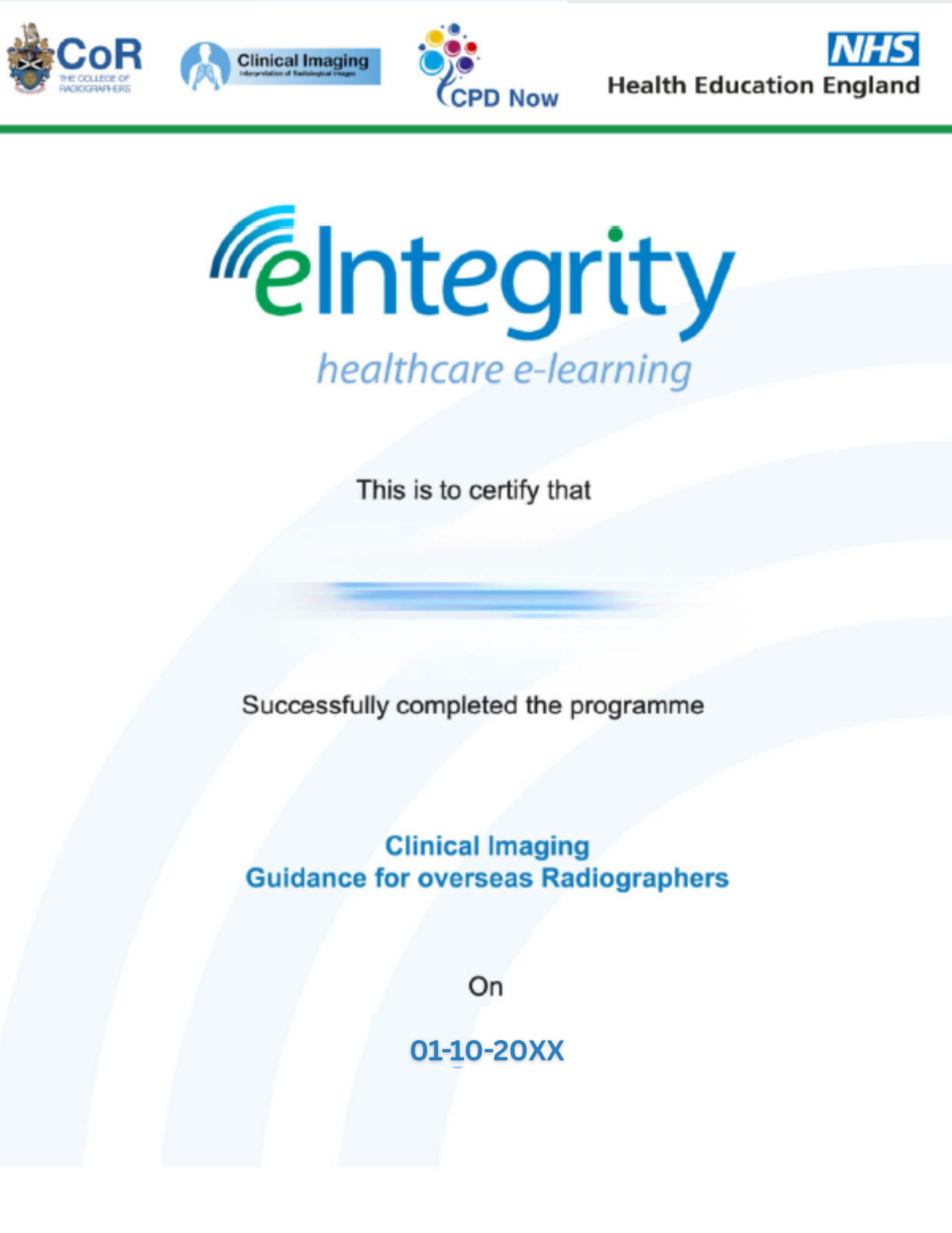
Upon successful completion of the course and all required assessments, participants will be awarded professional certificates that are recognized by leading healthcare institutions.
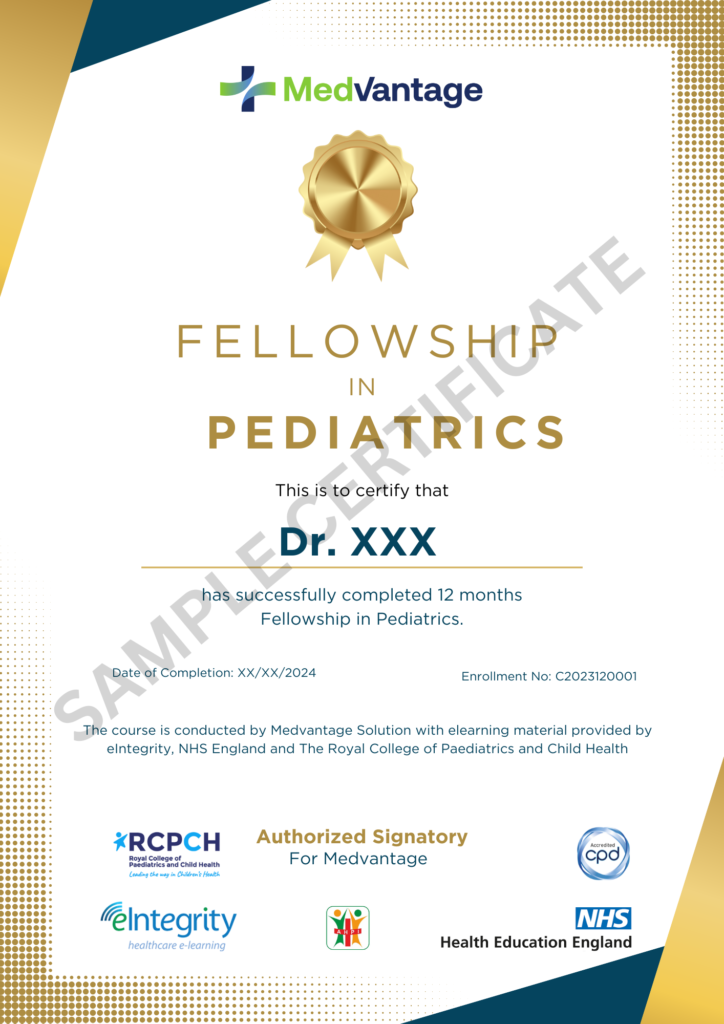
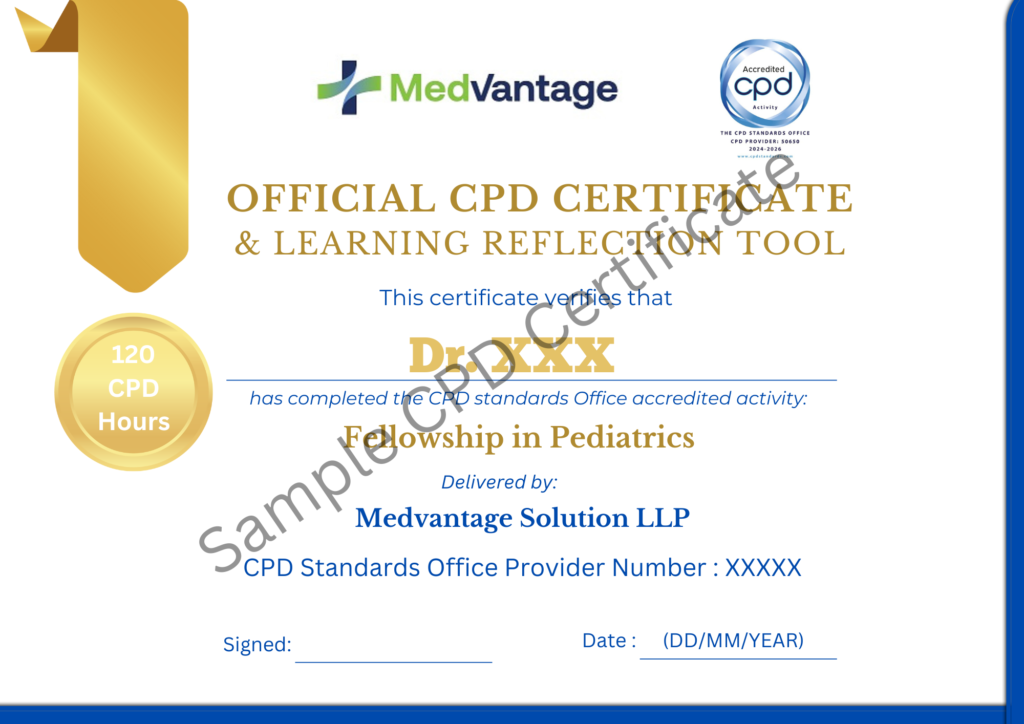
- Earn 120 CPD Points continuing medical education credits
- Digital certification with secure verification
- Share your achievement directly on LinkedIn and other platforms
- Certificate issued by MedVantage Education and recognized industry partners
Frequently Asked Questions
What is the duration of Fellowship in Pediatrics by Medvantage
The Fellowship in Pediatrics by MedVantage is a 12-month hybrid program designed for working medical professionals. The course includes 31 comprehensive learning modules, 120 CPD points, and 1 month of clinical observership at a reputed hospital, providing a balanced blend of online academic learning and clinical exposure.
What is the eligibility to enroll in the Fellowship in Pediatrics?
The Fellowship in Pediatrics by Medvantage is open to healthcare professionals at different stages of their medical careers. You are eligible to enroll if you are:
- MBBS Graduate
- Practicing Doctor (MBBS, MD/MS/M.Ch)
- MD or DNB Resident
- Final-Year MBBS Student
Can I persue this course if I am in final year?
YES, this course can be taken up by final year, graduated & post graduate students.
What’s the importance of this course in India?
You will get additional qualification Certificate (United Kingdom) which will benefit you in increasing the number of patients in OPD.
How many CPD hours are accredited on completion of the Fellowship in Pediatrics?
Upon the successful completion of the Fellowship in Pediatrics, participants are awarded 120 CPD (Continuing Professional Development) hours by the CPD Standards Office, United Kingdom.
Can I pursue the course if I’m working in govt. hospital?
YES, it’s an online course, you can attend classes at any time as per your schedule.
Can I apply if my FMGE is not clear?
YES, you can apply, but by end of the course we need your MCI registration certificate.
In which form, I will get the study material?
In form of modules which includes Live Class with Course Mentor, Recorded Lectures, Webinars and PDFs.
Can international students enroll in the Fellowship in Pediatrics?
Yes. International students are welcome to enroll in the Fellowship in Pediatrics by Medvantage, subject to meeting the program's eligibility criteria and submission of the required academic and professional documents.