

Fellowship in Nephrology: Improving Clinical Skills in Kidney Care
With illnesses like chronic kidney disease, diabetes-related kidney problems, hypertension, acute renal injury, and electrolyte disturbances requiring prompt and knowledgeable treatment, kidney disorders are becoming a growing clinical issue. Gaining specialized knowledge in nephrology can assist MBBS physicians make better clinical decisions and provide higher-quality patient care.
The goal of a nephrology fellowship is to give medical professionals organized, clinically focused training in the assessment and treatment of both common and complicated kidney-related disorders.
What is a Fellowship in Nephrology?
A nephrology in fellowship is a specialized clinical upskilling program for medical professionals who want to develop a deeper understanding of kidney diseases and their management.
Unlike a purely theoretical course, a clinically focused fellowship can combine online academic learning, case-based discussions, expert mentorship, and clinical observership exposure, allowing doctors to connect medical concepts with real-world clinical practice.
Why Nephrology Skills Matter
The kidneys are essential for preserving fluid balance, controlling blood pressure, managing electrolytes, and eliminating waste from the body. Thus, several organ systems may be impacted by kidney failure.
Doctors frequently encounter patients with:
Chronic Kidney Disease (CKD)
Acute Kidney Injury (AKI)
Diabetic kidney disease
Hypertension-related renal disease
Nephrotic and nephritic syndromes
Electrolyte and acid-base disorders
Urinary abnormalities
Renal complications associated with systemic diseases
Building familiarity with these conditions can help doctors recognize warning signs earlier and make more informed clinical decisions.
What Does a Fellowship in Nephrology Cover?
A comprehensive fellowship programs may cover important areas such as:
Fundamentals of Nephrology
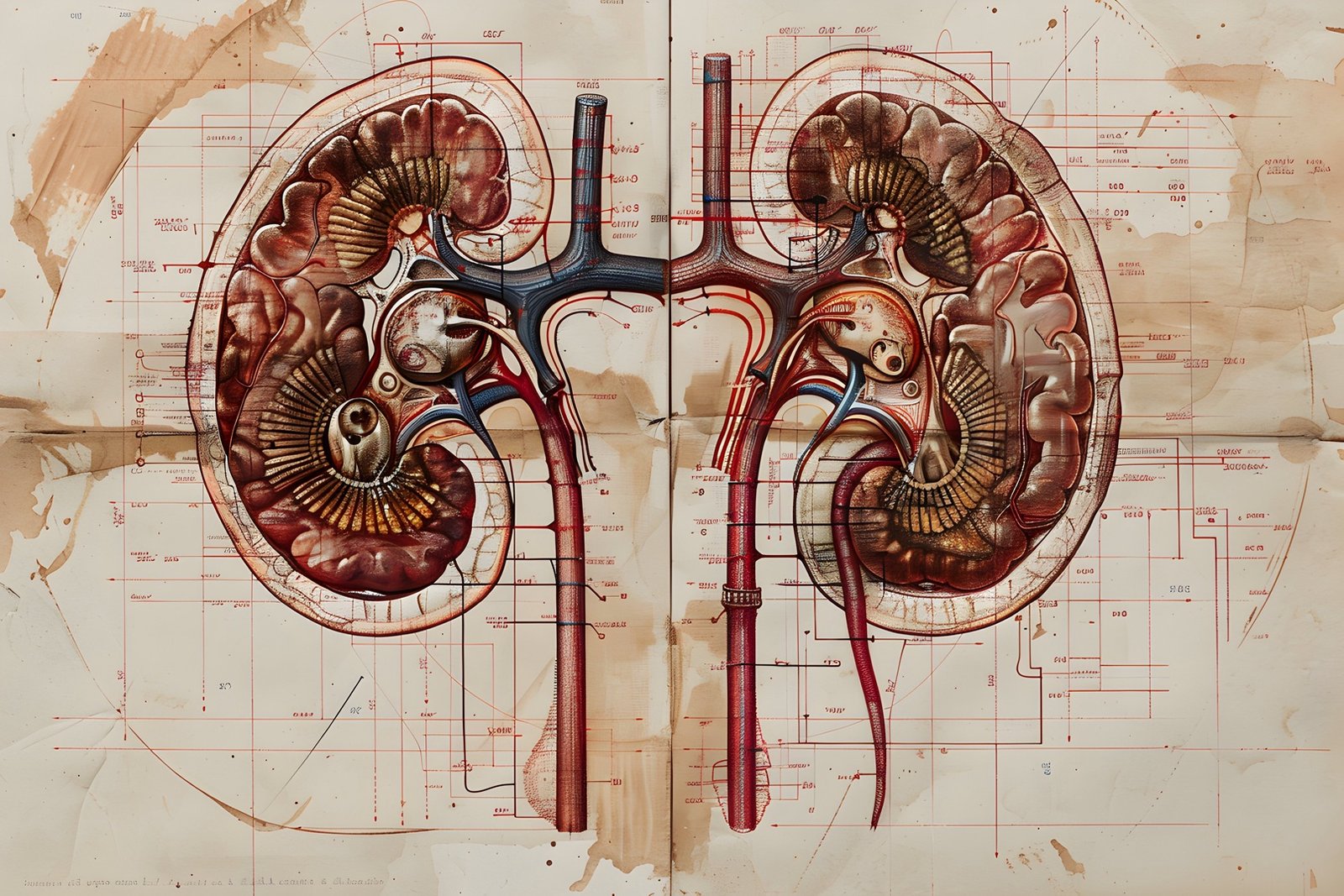
Understanding kidney anatomy, physiology, renal function, and the mechanisms behind common kidney disorders.
Chronic Kidney Disease
Learning about CKD classification, risk factors, evaluation, progression, complications, and principles of management.
Acute Kidney Injury
Developing an approach to identifying AKI, understanding its causes, interpreting investigations, and managing patients appropriately.
Hypertension and Kidney Disease
Understanding the relationship between hypertension and renal dysfunction, including evaluation and clinical management principles.
Diabetes and Kidney Health
Exploring diabetic kidney disease, risk assessment, screening, prevention of progression, and multidisciplinary management.
Electrolyte and Acid-Base Disorders
Understanding clinically important abnormalities involving sodium, potassium, calcium, bicarbonate, and acid-base balance.
Glomerular Diseases
Learning the clinical presentation and evaluation of conditions such as nephrotic and nephritic syndromes.
Dialysis and Renal Replacement Therapy
Developing an understanding of the principles, indications, modalities, and clinical considerations associated with dialysis and renal replacement therapy.
Kidney Disease in Critical Care
Understanding renal complications in critically ill patients, including AKI, fluid management, and renal support.
Case-Based Clinical Learning
Applying concepts through clinical cases to develop a systematic approach to patient assessment and management.
Who Can Pursue a Fellowship in Nephrology?
For MBBS qualified physicians who wish to further their knowledge and clinical experience in kidney care, a clinically focused Fellowship in Nephrology may be beneficial.
It may be particularly useful for doctors working in:
General practice
Internal medicine
Emergency care
Critical care
Diabetes care
Primary healthcare
Hospitals and clinics
Benefits of a nephrology fellowship
A structured fellowship can help doctors:
Strengthen clinical knowledge
Build a stronger foundation in kidney-related disorders and their management.
Improve clinical decision-making
Develop a systematic approach to symptoms, investigations, diagnosis, and treatment planning.
Understand complex cases
Gain exposure to common and challenging nephrology presentations through case-based learning.
Gain clinical exposure
Where included, clinical observerships can provide an opportunity to observe real-world patient care and clinical workflows.
Expand clinical competencies
Develop focused knowledge that can complement a doctor’s existing medical practice.
Fellowship vs. Traditional Academic Learning
A traditional academic program often emphasizes comprehensive theoretical education, while a professional fellowship may focus more specifically on practical clinical application and skill enhancement.
For working doctors, a flexible fellowship format can provide an opportunity to continue professional practice while developing focused expertise in nephrology.
Building Expertise in Kidney Care
Due to the increasing complexity of kidney-related disorders, physicians must be able to identify renal issues early and recognize when specialized care may be necessary. Developing these skills can be greatly aided by ongoing clinical education.
A nephrology fellowship can therefore serve as a structured pathway for MBBS doctors seeking focused clinical upskilling in kidney care, combining academic knowledge with practical clinical learning and, where applicable, observership exposure.
Take the Next Step in Clinical Upskilling
A Fellowship in Nephrology can offer a structured learning pathway based on pertinent clinical principles, expert guidance, case-based learning, and practical exposure for physicians seeking to deepen their understanding of kidney illnesses and acquire specialized clinical expertise.